
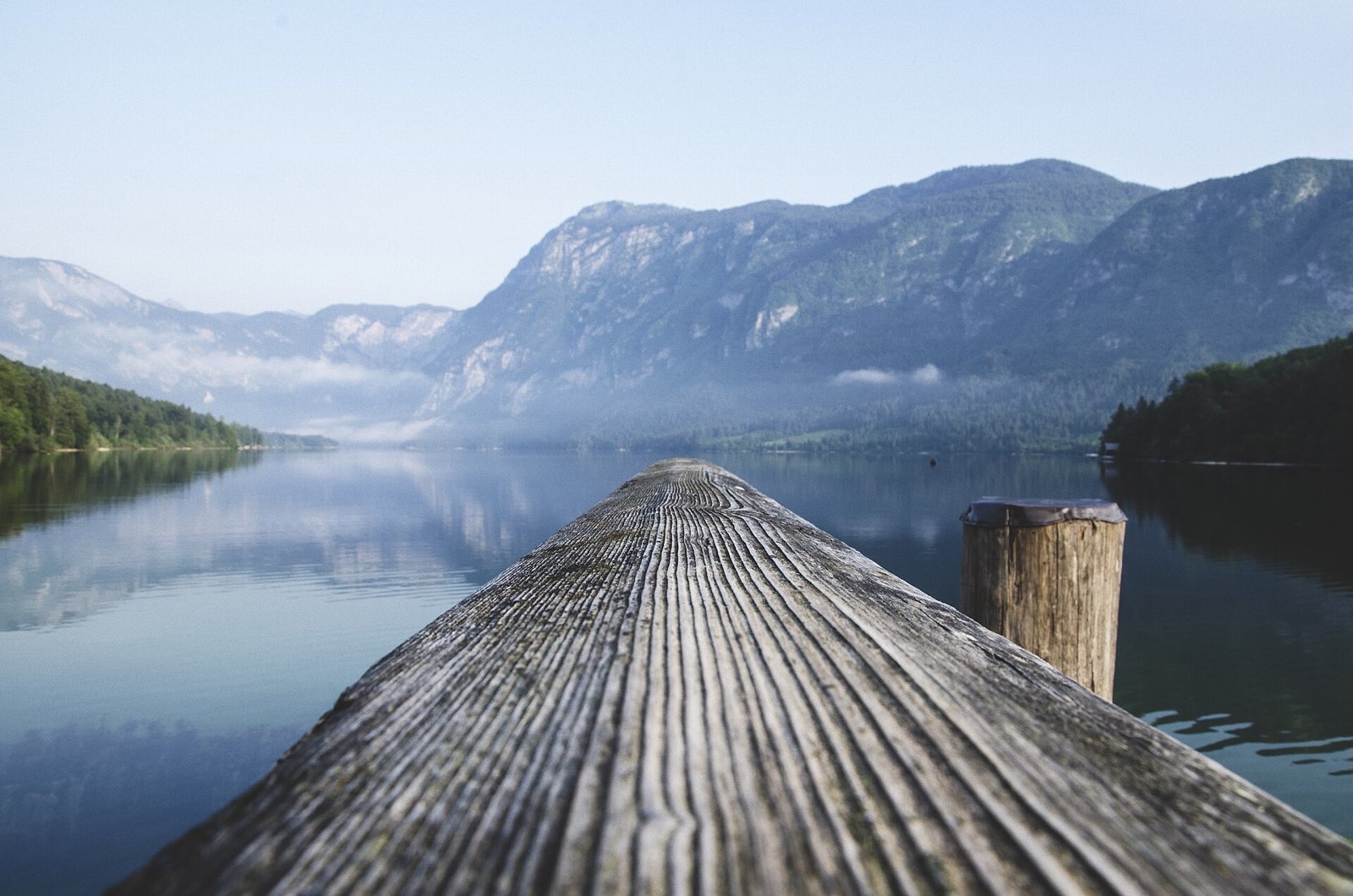
Lake Bled is most rewarding when you stop treating the island, castle and mountains as one photograph. They are three different experiences: a crossing on the water, a climb into the region’s history, and a landscape that becomes clearer as you move around the shore. The familiar view is a beginning, rather than the whole visit. A bench, a boat landing and a café can be as useful to the day as another ticket.
This guide gives you a workable first visit, with a shore route that explains where you are and a way to choose between excursions. The proposed timings are editorial allowances, not measured walking promises. Use them to leave breathing room. Bled can be an introduction on a day trip, a two-night lake break or a base for several days in the Julian Alps; each choice calls for a different balance of activity and stillness.
Read the lake before choosing a route
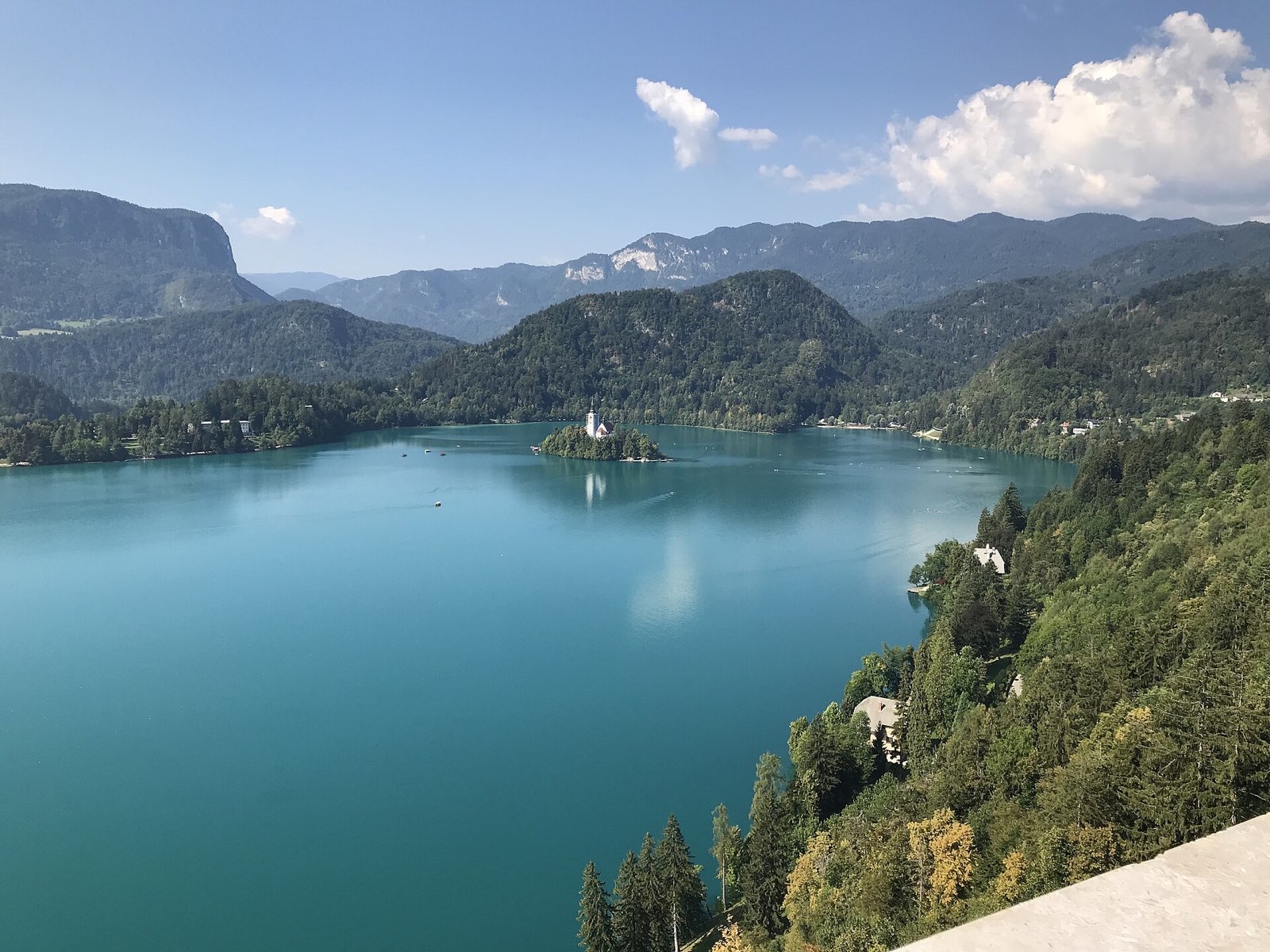
Start by distinguishing the town-facing eastern end from the western bays. The east is the practical introduction: cafés, hotels and the promenade give you a sense of the resort. Walking towards the west changes the relationship between island and mountains. Rather than searching for one compulsory photo spot, stop where the scene opens up and notice how the church moves against the far shore.
The island is not joined to the shore, and the castle is above it: neither can be casually added to a flat circuit without extra time. This simple piece of geography prevents the most common overfilled day. Decide whether today is principally about being beside the water, getting onto it or looking down from above. You can enjoy all three over a stay without completing them in one afternoon.
Begin at the eastern promenade
For a town-based arrival, use the eastern shore as your starting point and spend the first part of the visit walking rather than queuing. Look across the water before choosing your direction. If you have luggage or have only just arrived from Ljubljana, a short out-and-back walk is often more pleasant than immediately committing to the entire circuit. It also leaves time to find the right boat landing later.
An editorial allowance of two to three hours for a leisurely lake circuit, including pauses but excluding paid attractions, is a useful starting budget. A brisk walker will experience the same distance differently from a family stopping for photographs. Mixed surfaces and temporary works matter more than the headline distance. Shoes suited to ordinary walking make more sense here than dressing for a single viewpoint photograph.
A town base can simplify an arrival without a car. Search Old Bled House by name, then compare its address and room conditions with your arrival stop.
Follow the shore towards Mala Zaka and Velika Zaka
The lake circuit gives a better understanding of Bled than repeatedly crossing the town by road. Around the western end, Mala Zaka and Velika Zaka are names worth recognising on maps, signs and activity information. Mala Zaka is associated with the rowing centre; these are working recreation areas as well as attractive shore stops. Give boats and organised sporting activity their space.
Use the western side as a decision point. Continue the shore circuit for a gentle day, or reserve a separate block for an uphill viewpoint walk. Ojstrica and Mala Osojnica are not simply alternative names for a lakeside terrace: reaching them changes the character of the outing. If your group has different walking preferences, a shore meeting point and an agreed return time are more useful than assuming everybody will follow the same ascent.
Choose the island for the journey as well as the church
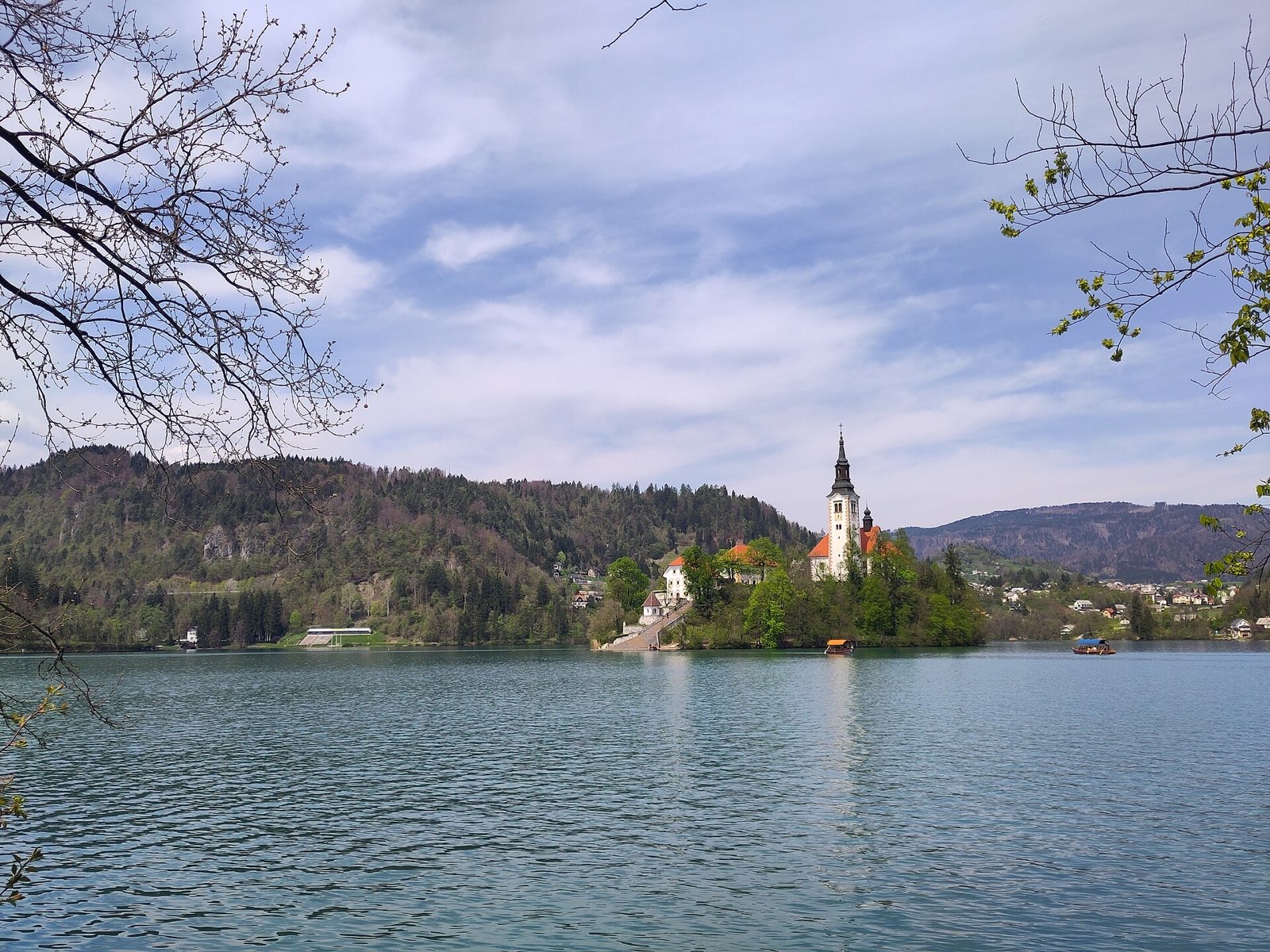
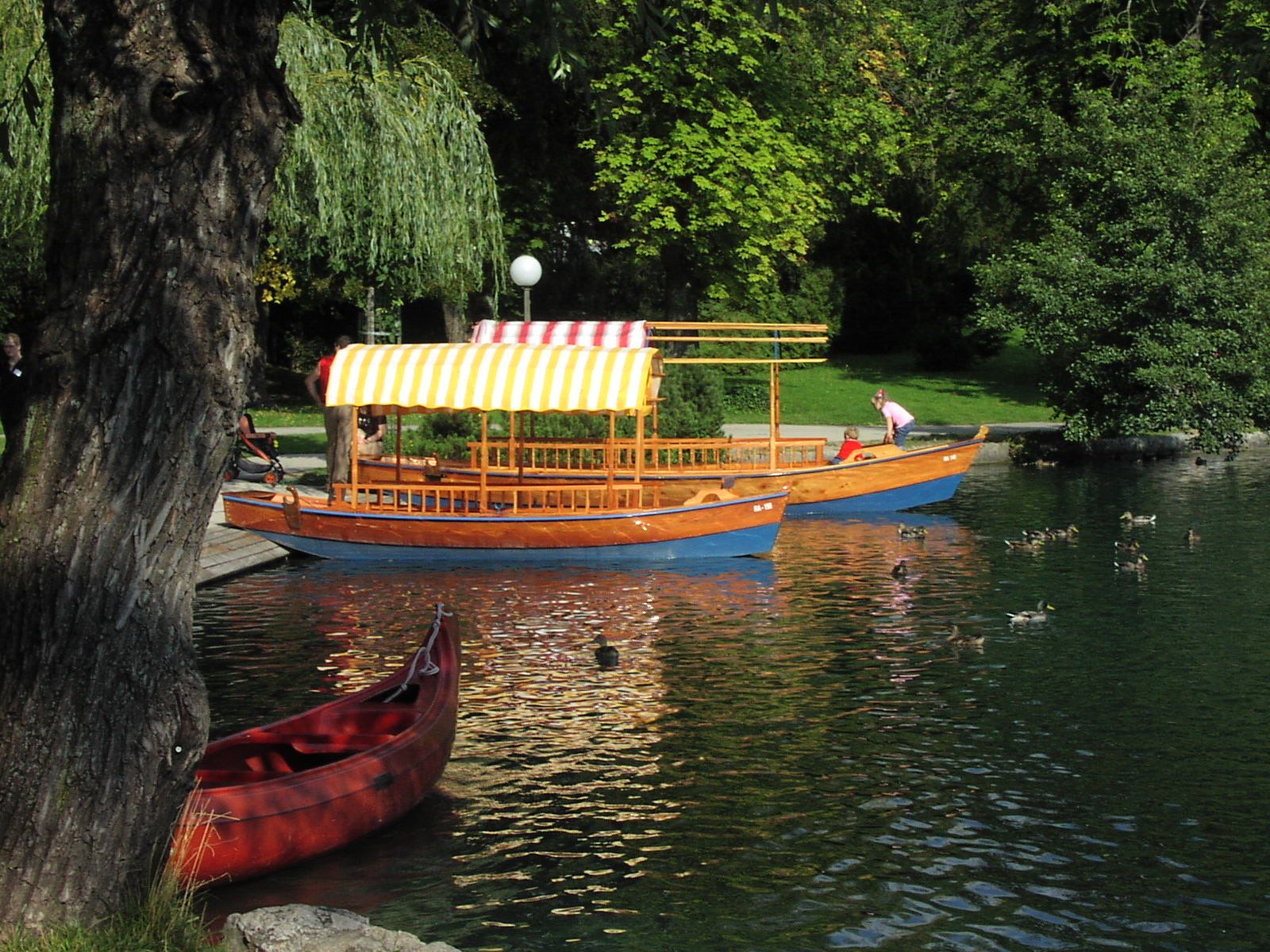
The pletna is a local craft tradition, not merely a decorative ferry. Slovenia’s intangible heritage register records the making and use of these wooden boats, including the standing rower at the stern. Watching the boat leave the landing is part of understanding the place. If the crossing itself appeals to you, let it be a main event rather than a hurried transfer between two photographs.
The island rewards a slower look at its church, steps and small cluster of buildings. Transport and attraction admission are separate decisions unless your chosen offer states otherwise. Build in time to agree the return before exploring. The experience suits travellers who like the ceremony of arrival; somebody primarily seeking a broad landscape view may prefer the shore or castle instead, without feeling that their visit is incomplete.
Use the castle to put the view into context
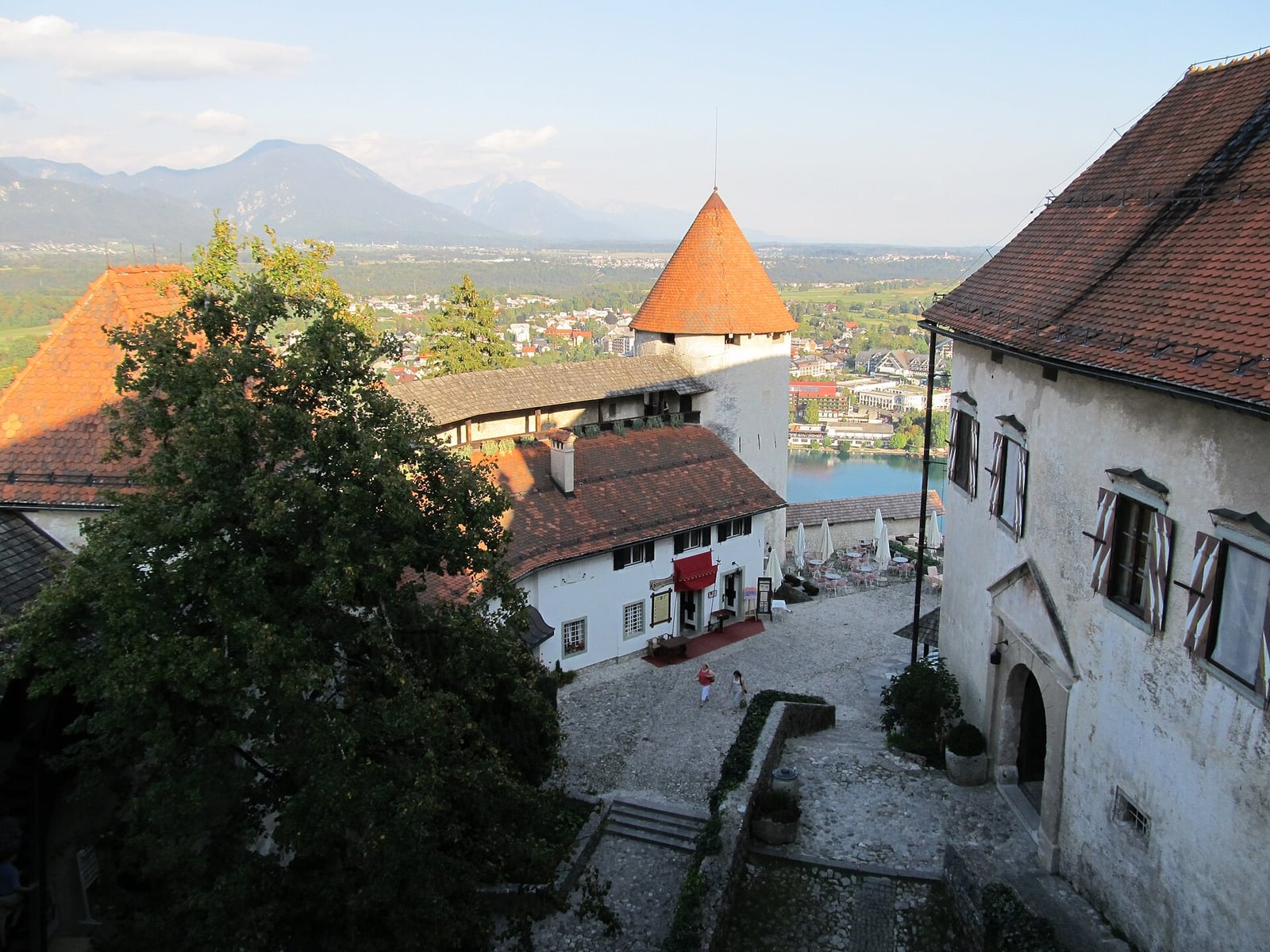
Bled Castle is more than an observation deck. Its museum, chapel, courtyards and printing works turn the lake from a scenic stop into a place with a history. The documented castle reference dates to 1011, while later repairs and rebuilding shaped what visitors see today. Look at the different levels and buildings rather than expecting one untouched medieval interior.
Our editorial suggestion is to give the castle a distinct visit, with a meal or shore walk separating it from the island. That makes the climb and museum feel intentional. If you have limited energy, choose the castle when history and an elevated panorama matter most; choose the island when the crossing and church atmosphere matter more. Trying to justify both tickets by racing through them usually removes what makes each distinctive.
Make the cake stop part of the story
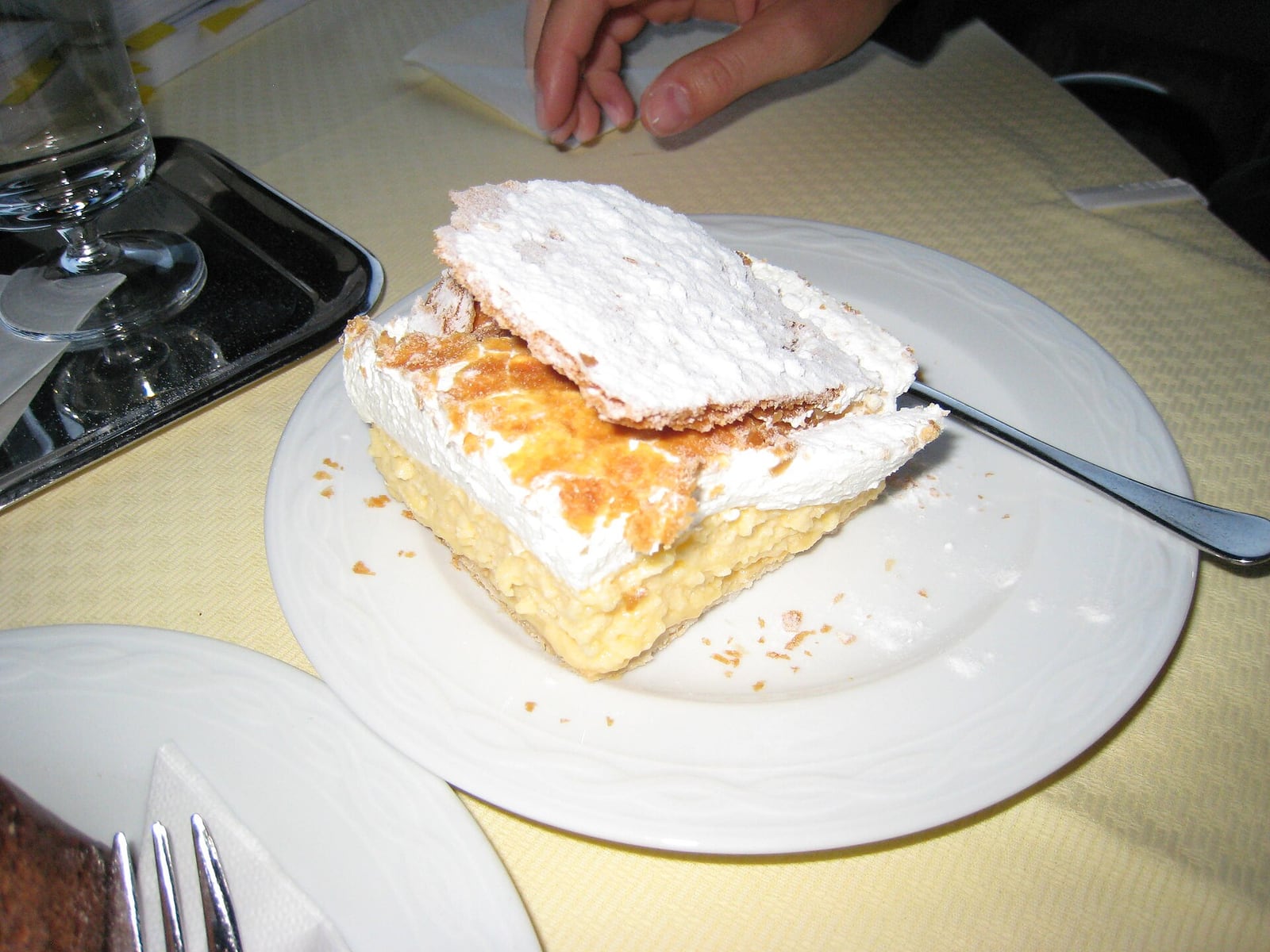
Kremna rezina, often called kremšnita, is the dessert to recognise. The local tourism account connects the original Bled version to pastry chef Ištvan Lukačević at Hotel Park in 1953. Crisp pastry, vanilla cream and whipped cream create its recognisable layers. It is a good example of how a resort identity can be built around something small enough to fit on a plate.
Rather than treating cake as an item to tick off while walking, sit down and let it divide the day. An eastern-shore café stop works naturally before or after the lake circuit; a potica stop on the island introduces a different Slovenian baking tradition. Choose according to your route and appetite. Neither dessert replaces lunch, and there is no reason to force both into the same short visit.
Give Vintgar and Bohinj different jobs
Vintgar offers a close, enclosed landscape: water, rock and a managed walking route. Bohinj offers a second lake and a wider excursion day. They are not interchangeable additions labelled nature. Choose Vintgar if the gorge walk is the experience you want; choose Bohinj if a separate Alpine valley and lakeside visit are the attraction. Both need their own transport thinking.
For an independent first visit, our recommendation is a lake day followed by one excursion day. Vintgar’s published complete route currently requires at least 2.5–3 hours on site, before your journey from Bled. Bohinj is easier to enjoy when you select one area rather than adding every waterfall and lift. If you are staying in Ljubljana, an organised combined day is another approach, trading independent time for arranged transport.
The verified multi-stop trip can suit visitors based in Ljubljana. Compare the time at each stop and optional fees against a slower independent visit.
Choose the shore that fits your evenings
The best base is the one that makes your unplanned hours easy. A town stay suits restaurant choices and a straightforward return after dinner. A western-side stay may suit a railway arrival at Bled Jezero and more time around the western shore. A southern setting makes sense if you want the lake itself to frame the stay. These are planning tradeoffs, not a ranking of neighbourhoods.
Read the actual address before imagining the view. A hotel can be close to the lake yet offer rooms facing elsewhere, and a Bled address can involve a longer approach than expected. Match your evening plans to the walk home as carefully as your daytime attractions. With two nights, arrival evening and departure morning become useful lake time instead of being lost inside a distant transfer.
Consider Hotel Triglav if the Bled Jezero side fits your arrival. Check the room description, route to the shore and distance to the town before choosing.
Build a version that does not require a summit
There is no requirement to climb a viewpoint to appreciate Bled. A shorter shore section, an unhurried crossing and a café can make a complete visit. In warmer months, designated bathing areas add a different way to spend time near the water. Grajsko kopališče, Mala Zaka and Velika Zaka are names to look for in official bathing information; hotel bathing areas have their own access arrangements.
For a mixed-age group, decide the common activity first and make the strenuous addition optional. A gentle day is not an inferior version of the active itinerary. It can offer more time for the town, cake and watching boats. The point is to return with a sense of the place, rather than with a list of completed climbs and no memory of sitting beside the lake.
Three workable rhythms for a first visit
With a single day, arrive, walk a meaningful shore section, choose island or castle as your main visit, and allow time for a meal before returning. With two nights, use the arrival evening for orientation and keep the full middle day for the lake. With three or more nights, add one excursion and preserve a flexible morning or afternoon for weather-dependent plans.
These are editorial route shapes, not fixed itineraries. Place the activity with a reservation first, then decide which walks connect it naturally. Ending in a convenient part of the shore is better than finishing an arbitrary checklist far from your bus. A satisfying Bled visit has both an anchor and an empty space: one experience you came for, and enough time to discover why you might return.
| Time available | Suggested focus | What to leave open |
|---|---|---|
| One day | Shore plus island or castle | A meal and a relaxed return |
| Two nights | A full lake day | Arrival evening and departure morning |
| Three or more nights | Lake plus one separate excursion | Weather-dependent walks |
Sources & editorial notes
Access, timetables and operating conditions can change. Follow the linked official notices before travelling.
Sources & editorial notes →