
The best time for Lake Bled is the time that suits the experience you actually want. A lake walk, a swim, a gorge visit and a mountain excursion depend on different things. Choosing a month first and expecting every version of Bled to be available is less useful than choosing two priorities and building the season around them. The view remains the same place, but the rhythm of the stay changes.
Think of this as a seasonal decision guide rather than a weather prediction. The suggestions describe how to organise a trip: what deserves a separate day, where an overnight helps, and when an alternative makes the visit more satisfying. No month guarantees clear mountains, snow, autumn colour or a quiet landing. A good plan leaves room for the lake to look different from the photograph that inspired you.
Choose the experience before the month
Start with a simple distinction: what would disappoint you most to miss? If the answer is swimming, the operating bathing season matters more than a general promise of fewer visitors. If it is Vintgar, its actual published calendar comes before hotel selection. If it is a church, castle and relaxed shore walk, you have more freedom to consider different seasons and shorter days.
Write down one essential and one optional activity. That keeps an unsettled forecast from turning into a failed holiday. A couple visiting for a slow lake break can change a viewpoint walk into a café afternoon; somebody travelling specifically for a gorge cannot replace it so easily. The right month follows from that difference. Our recommendation is to book around the essential experience while keeping the second choice flexible.
Spring: build a walkable, adaptable visit
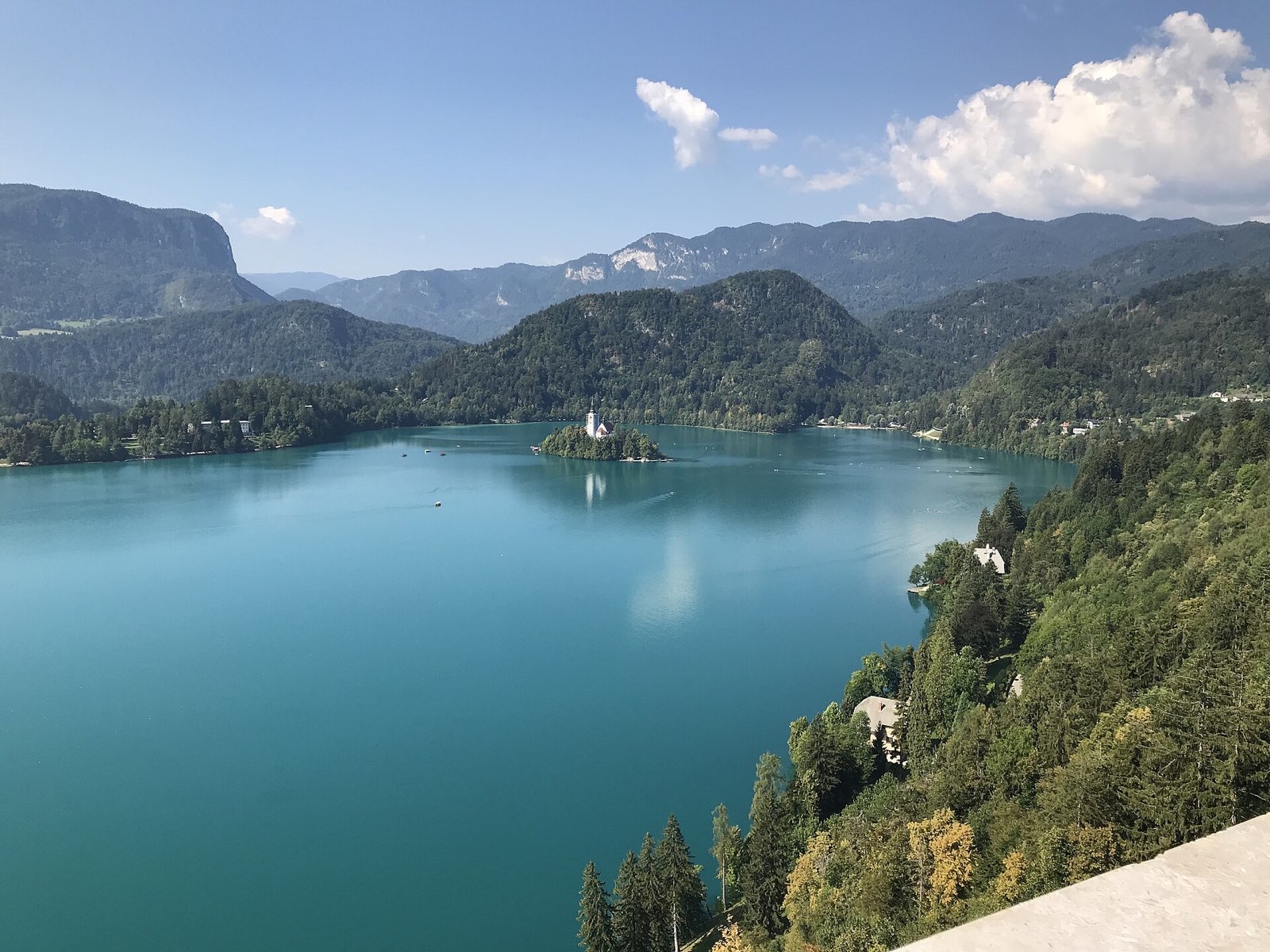
Spring invites a trip that notices the shore gradually rather than chasing a list of open attractions. Use the town and lake circuit as the framework, then add the island or castle according to current operation. The green lakeside and changing light give familiar views a different emphasis. A short break works best when the hotel is convenient enough that going out for an hour does not become a transport project.
The important planning distinction is between low-level walking and an excursion into higher country. A comfortable shore afternoon does not establish the conditions on a forest ascent or farther into the Alps. Make your first full day local, then decide on the more exposed outing with current information. This also makes a spring stay useful when arrival weather is mixed: you have not committed the entire visit to one distant viewpoint.
A town base helps when you want short outings between changing weather. Compare the actual address and room terms at Old Bled House with other central stays.
Early summer: decide how much water time you want
As your focus shifts towards the water, choose where you expect to spend the day rather than assuming the whole shoreline works as a beach. Official Bled information identifies Grajsko kopališče and the Zaka bathing areas, alongside hotel bathing sites. Each has a different setting and access arrangement. A lakefront hotel description does not automatically mean unrestricted bathing facilities for every visitor.
Our editorial suggestion is to separate a swimming day from a full sightseeing circuit. Pack for the activity you want, allow a real period by the water and avoid carrying a tightly timed castle reservation through it. A walk and a swim can combine naturally; a swim, island crossing, castle and onward excursion compete for the same hours. Facilities and the day’s conditions matter more than the month printed on the calendar.
Summer: spend your flexibility on the lake, not on queues
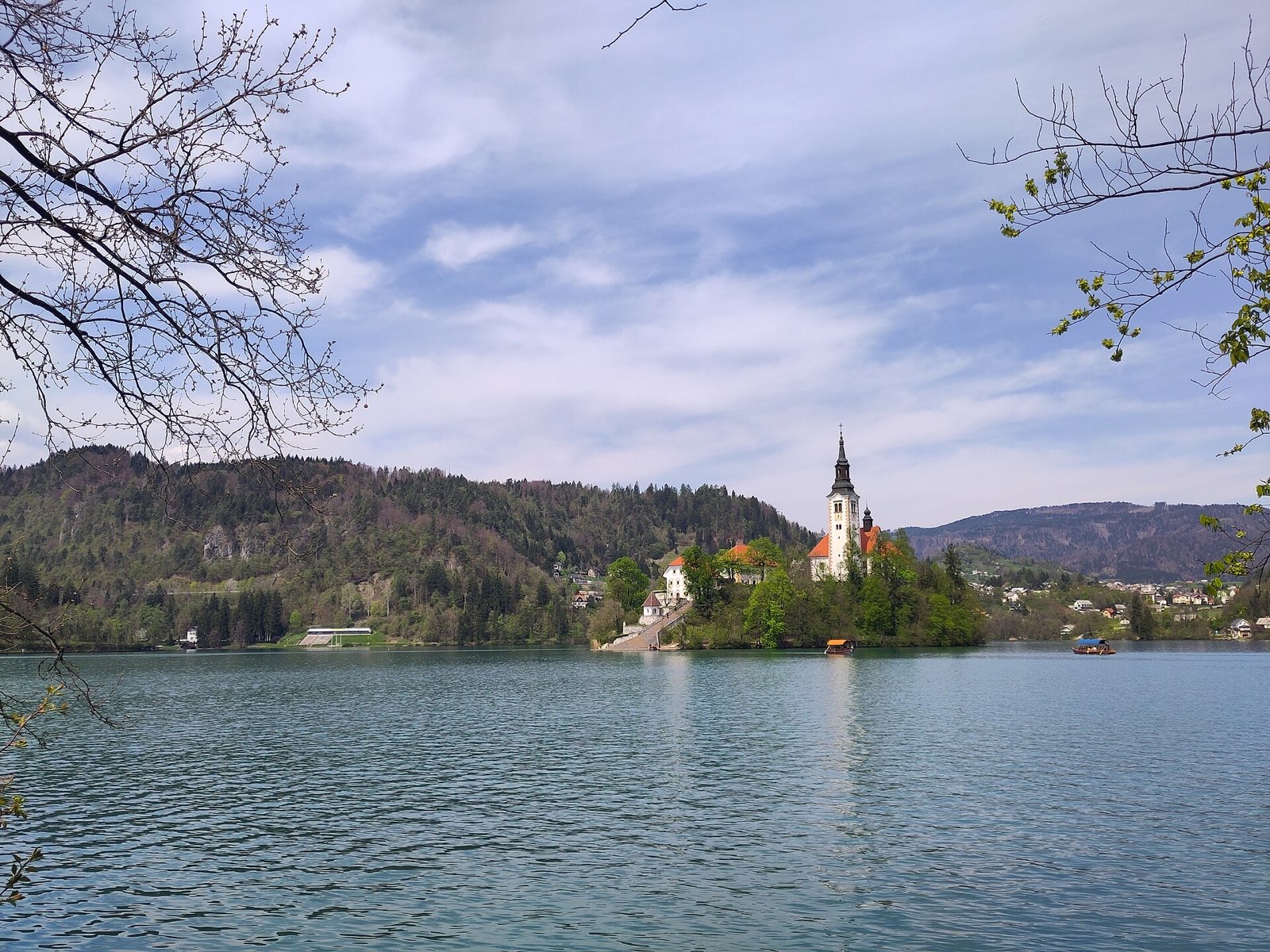
A summer visit is easier to enjoy when the first decision happens before you reach the landing or car park. Settle where you are staying, how you arrive and which activity needs a reservation. Then use the remaining time for the lake rather than repeatedly checking alternatives on your phone. An early or late shore walk is an editorial way to create a different pace, not a guarantee that a place will be empty.
Think of a hot or busy day as a reason to reduce transitions. Walk one side, take a proper break and choose one paid visit. If a river activity appeals, treat it as its own outing with its own transport and participation requirements. Rafting is on the Sava River, not on Lake Bled. It changes the day’s focus completely and is better considered as a planned activity than an impulse between two attractions.
For an active day beyond the shore, compare the verified river trip. Read eligibility, meeting or pickup arrangements and the selected option before booking.
Autumn: make room for colour and a shorter day
Autumn can turn the lake circuit into the main experience rather than a connection between tickets. Trees, water and the island’s outline provide a reason to walk slowly and stop in more than one place. The exact timing and intensity of foliage vary; choose a stay you would still enjoy without a peak-colour photograph. A café and a museum visit make a good partner to the shore rather than a consolation prize.
Shorter daylight changes route sequencing. Put a steep walk earlier in the day, and leave the town-side meal or indoor visit for later if its opening allows. Do not copy a summer day with the same number of activities into an autumn arrival. A western-shore viewpoint and an island crossing may each be attractive, but they deserve separate space when your usable outdoor hours are fewer.
Winter: choose atmosphere over a snow promise
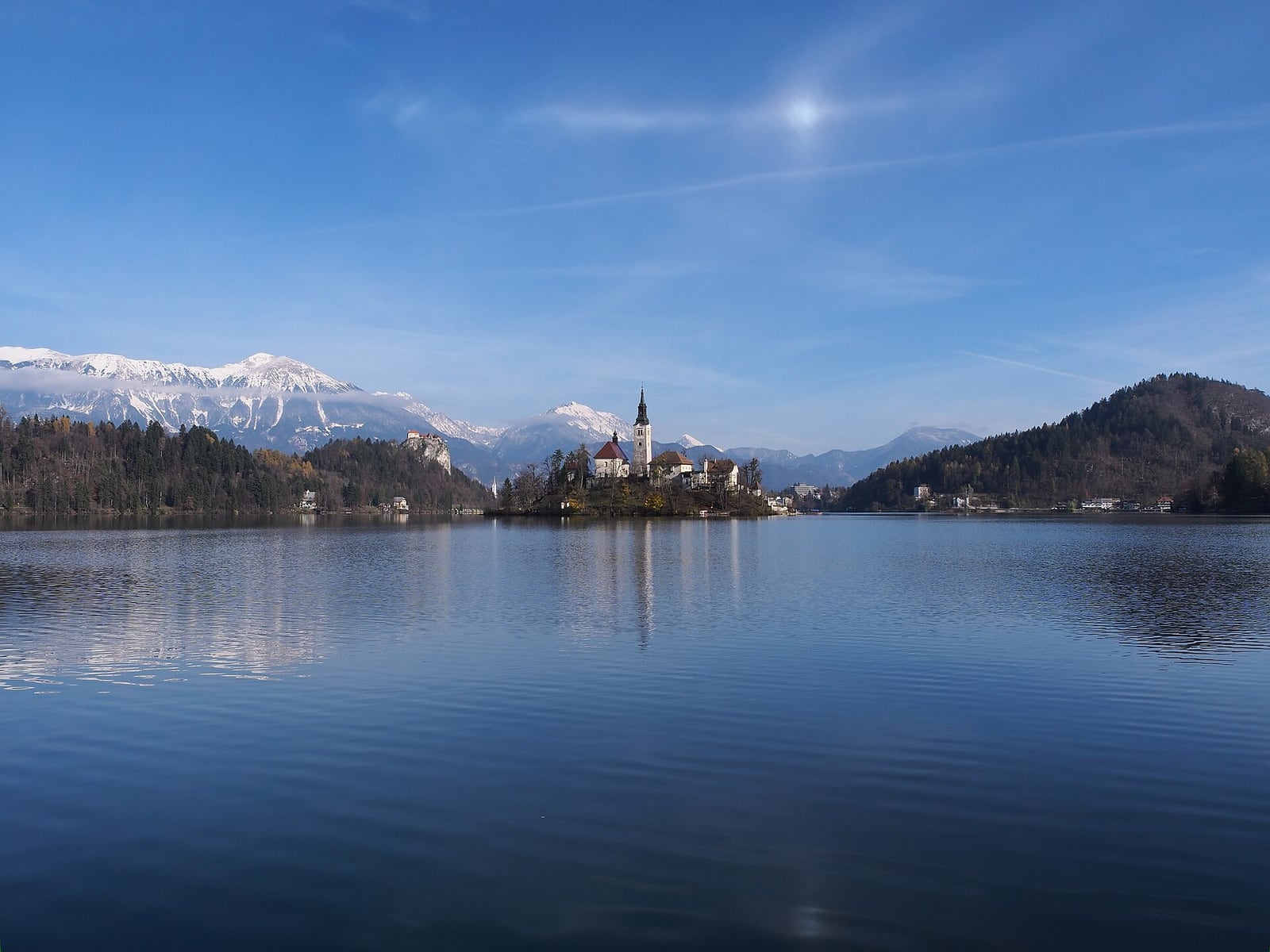
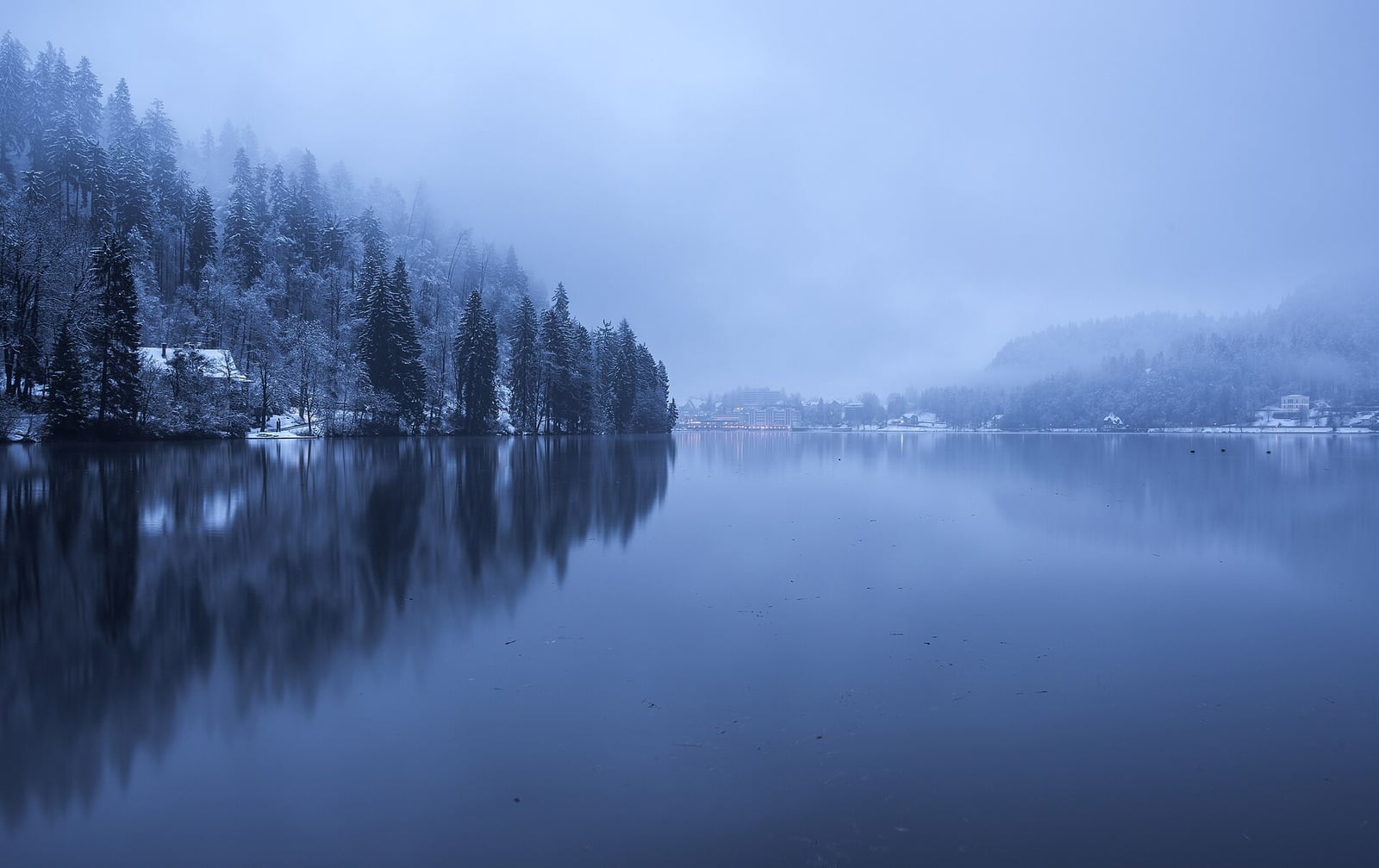
A winter stay makes most sense if you would enjoy the lake in more than one mood. Snow can transform a scene, but a visit may equally bring bare branches, rain, mist or a partly hidden mountain background. The island operator describes a lake-influenced microclimate with seasonal fog, dew and frost; these are parts of the landscape, not guarantees for your dates. Let the shore and town be the centre of the stay.
Choose a comfortable base for meals and brief walks, then add confirmed attractions. The castle publishes a winter opening pattern, but approach conditions and notices still matter. Boat options must be confirmed directly rather than assumed from summer habits. Do not make walking onto lake ice an itinerary item: a frozen-looking surface is not a travel experience this guide can assess. A winter lake break does not need that risk to feel complete.
Use food and cultural visits as real experiences
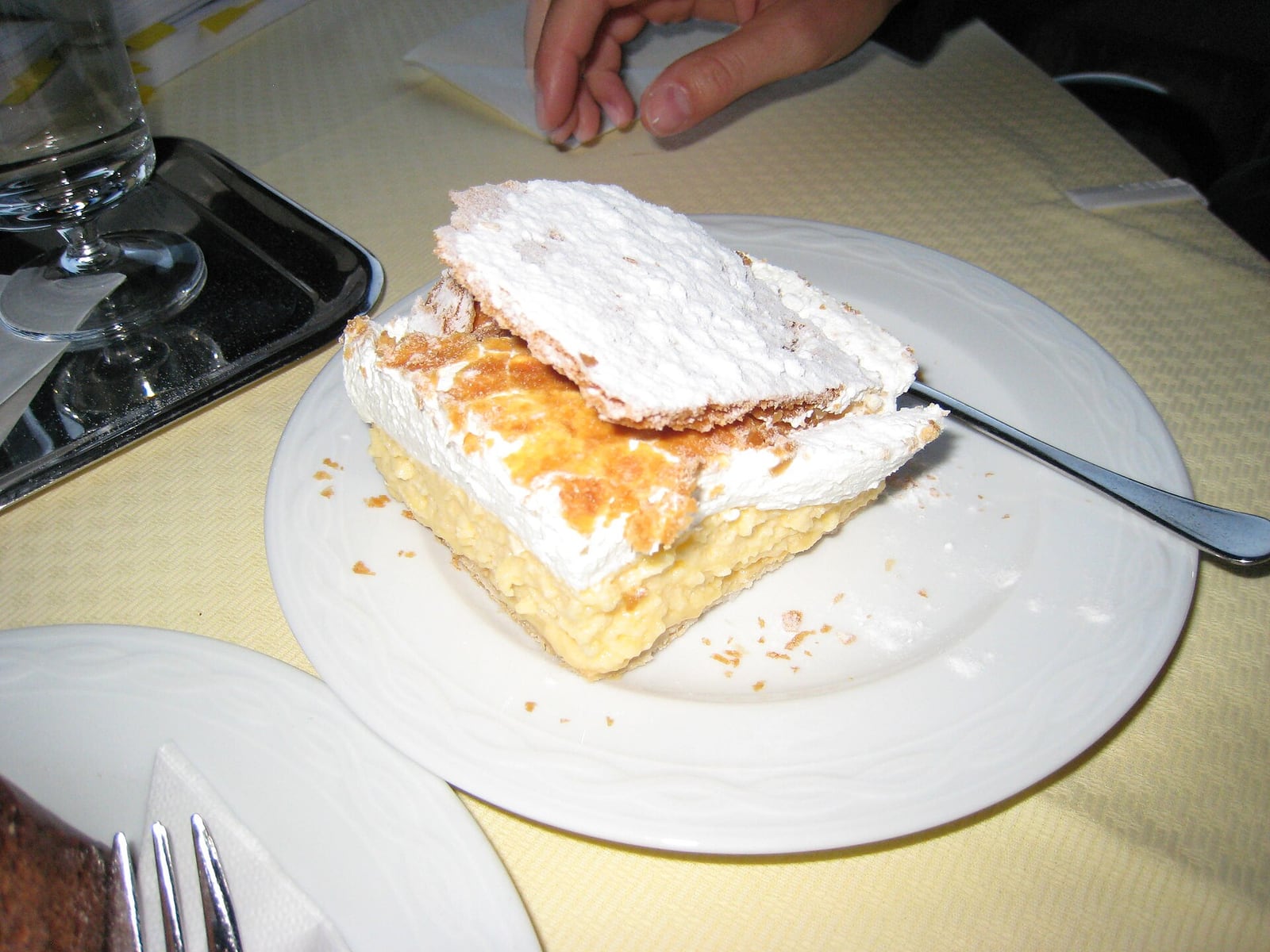
The cream-cake story gives a town stop substance whatever the month. The Bled version is associated with Hotel Park and 1953, and its layered pastry, vanilla cream and whipped cream remain a recognisable local symbol. On the island, potica introduces another baking tradition. These are not interchangeable generic desserts: one is tied to the resort’s modern identity, the other to a wider Slovenian festive tradition.
Make indoor time intentional. Choose a museum or craft element at the castle that interests you, or give the church its own attention when visiting the island. A rainy interval is easier to enjoy when you already know why you want to be inside. Do not fill every weather gap with another purchase; an unhurried meal and a short shore walk can be a complete afternoon, especially on a two-night break.
Vintgar and Bohinj have their own calendars
A season name does not synchronise nearby attractions. Vintgar is managed with timed entry, a one-way gorge route and a designated return. Its published operating season and any weather closure are the relevant facts for booking. Treat the visit as an excursion with transport and walking time, not a short stop that automatically fits beside an island crossing. If it is essential, verify the date before committing the rest of the trip.
Bohinj brings another set of decisions: which lakeside area, whether to add Savica or Vogel, and how to return. Seasonal organised transport is distinct from regular bus services. For a first independent visit, one clearly chosen Bohinj area is often more satisfying than several rushed stops. A guided combined trip from Ljubljana can suit a different travel style, but it does not remove the need to understand time at each place.
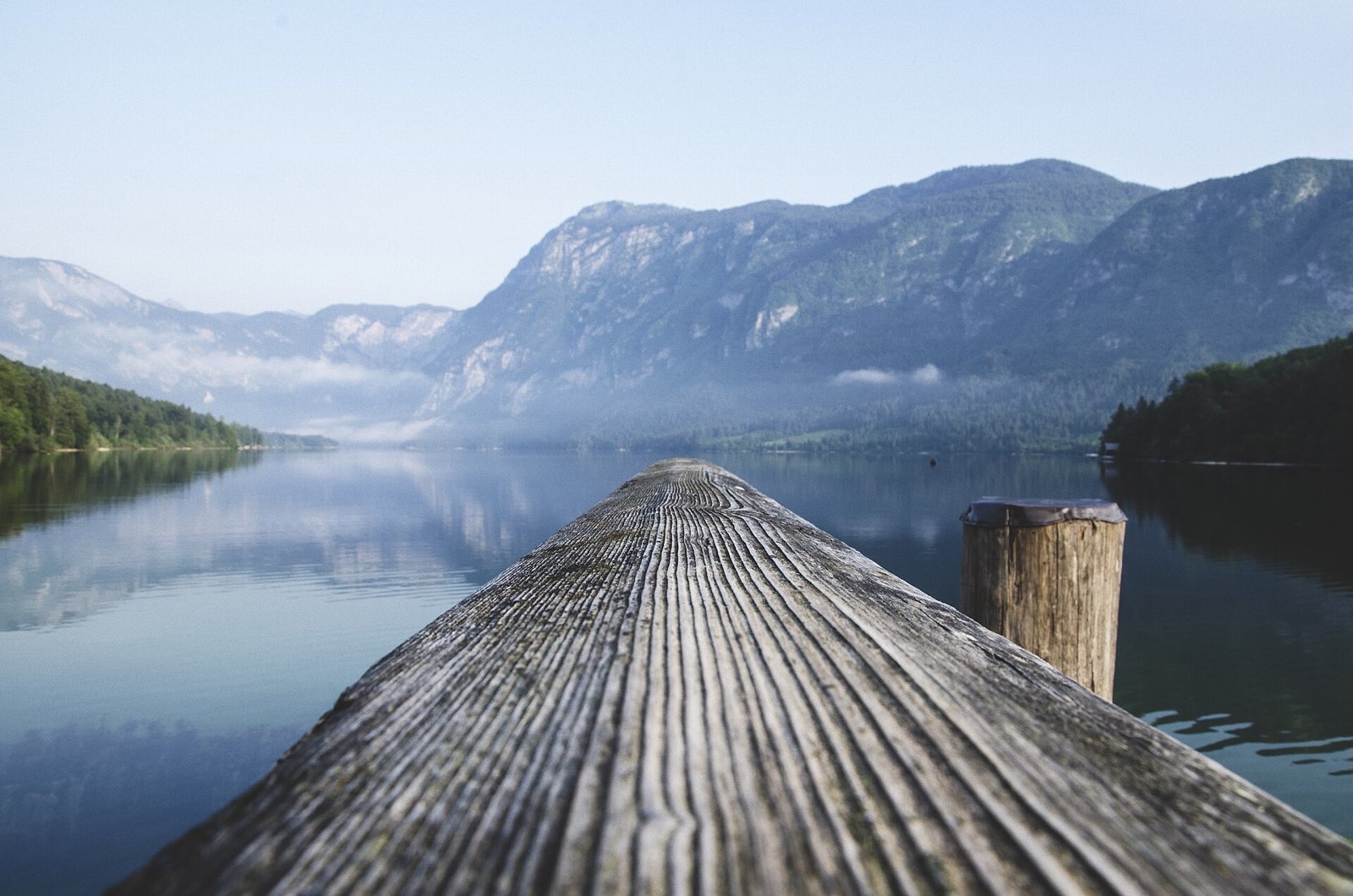
If you prefer arranged transport from Ljubljana, compare this verified combined trip. Weigh optional admissions and time at each stop against an independent full day.
The number of nights can matter more than the month
One night can give an evening and morning at the lake, but two nights create a full day without arrival or departure attached. That is a useful distinction for travellers who want a relaxed island-and-castle day. Three or more nights give an excursion a separate place and leave some room to move an outdoor plan. More nights do not guarantee better weather; they give you more ways to respond to it.
Choose a base that fits the season’s practical shape. In a short-day visit, the walk back after dinner matters. For repeated western-shore walks or a Bled Jezero arrival, the west may fit; for town services and frequent meals out, a central location may be simpler. Compare the actual property address and room rather than booking solely for a summer photograph of the lake.
| Stay length | Useful rhythm | Main tradeoff |
|---|---|---|
| Day trip | Shore and one main attraction | Limited flexibility for weather |
| Two nights | Arrival walk, full lake day, departure morning | A separate excursion needs more time |
| Three or more nights | Lake day plus excursion and flexible time | More choice, not a weather guarantee |
Use a forecast for the final choice, not a monthly label
As departure approaches, use the Slovenian Environment Agency’s current forecast and warnings for decisions about outdoor activities. A monthly description cannot tell you whether a particular afternoon will suit a boat trip or a forest path. Nor does a clear town view establish conditions higher up. Keep the distinction between seasonal planning and the immediate decision to go outside.
A practical final sequence is simple: confirm the essential activity, look at the current conditions, then choose the optional walk. If weather is unsuitable, shorten the route and spend more time at water level or inside a place that interests you. The best season is not the one that lets you avoid every compromise. It is the one in which the compromises still leave you with the kind of Bled visit you wanted.
Sources & editorial notes
Access, timetables and operating conditions can change. Follow the linked official notices before travelling.
Sources & editorial notes →